

Explainer: What Happens at a Dry Bulk Terminal?
From rail intake to stockpile, conveyor and shiploader, here is how a dry bulk terminal moves coal, grain and ore from land to a ship's hold.
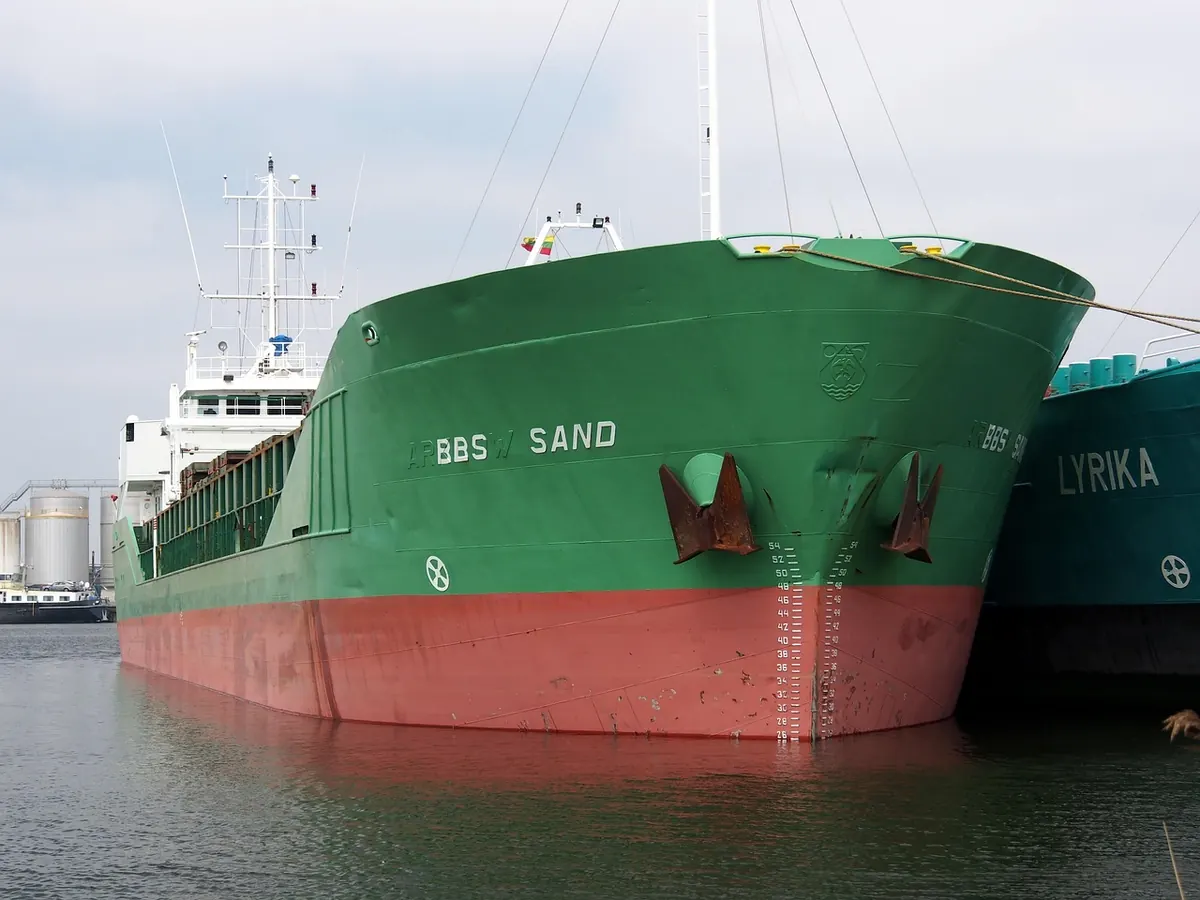
A dry bulk terminal is the part of a port most people never see up close: a few kilometres of conveyor, a stockpile that looks like a small mountain range, and a ship at the berth with its hatches open. No container cranes, no pallets, no cardboard. Just thousands of tonnes of something loose — coal, wheat, iron ore, fertiliser — moving in one direction at a stubbornly steady pace. Understanding how that flow works explains why one port turns a ship around in a day and another takes a week.
What Counts as Dry Bulk
Dry bulk is cargo that ships loose and is handled by the tonne rather than the box. Iron ore, coal and grain make up the bulk of the trade, but the category reaches further: bauxite, cement clinker, wood chips, sugar, salt, urea, mineral sands, scrap.
These commodities behave very differently, and terminals are usually built around one family of them. Iron ore is dense, pours fast and will punish a structure that isn't designed for the impact. Grain flows almost like a liquid, needs spotless dry holds, and often travels under fumigation. Coal is dusty, can self-heat in a pile, and some grades release methane. Fertiliser is corrosive and hates moisture. A grain terminal is not an ore terminal, even if both are full of conveyor belts.
The Cargo Arrives by Land First
Before anything sails, it has to reach the quay. Ore and coal usually come in by unit train — long dedicated rakes tipped wagon by wagon into a receiving hopper, or unloaded while still rolling. Grain arrives by rail or barge, sometimes straight from an inland elevator. Trucks fill in the smaller flows and short hauls.
At intake, the terminal weighs and samples. That matters more than it sounds. A moisture reading taken at the pile today becomes an invoice dispute next month, and a grade mix-up at the hopper can turn a premium parcel into a discounted one. Sampling also tells the operator where to place the cargo so similar specifications stay together.
Storage Is a Logistics Decision
Where a pile sits decides how fast it can be reclaimed, how easily it can be blended, and how much of it will blow into the neighbouring town. Terminals generally store bulk in three ways:
- Open stockpiles — the classic outdoor pile for ore and coal, separated by grade and served by rail-mounted stackers and reclaimers.
- Silos and bins — vertical storage for grain, cement and other free-flowing cargo that must stay dry and be dispatched by gravity.
- Covered sheds — for fertiliser, sugar, and anything a rain shower would turn into a claim.
The discipline inside the yard is first in, first out: oldest cargo ships first so nothing settles, cakes or goes stale. Operators also track pile temperature, moisture and slope, because a coal pile that heats up or an ore pile that gets rained on can close a berth for days.
The Machines That Do the Work
Equipment varies by commodity, but the chain of handling looks familiar from terminal to terminal:
- Unloaders — grab cranes for flexibility, or continuous unloaders (bucket-chain, screw, pneumatic) where dust, spillage or speed justifies the cost.
- Hoppers and feeders — the metering point, controlling how much cargo enters the belt and how evenly.
- Conveyors — the backbone of the terminal, running through transfer towers and often enclosed to keep dust in and rain out.
- Stacker-reclaimers — long boom machines that build the pile in layers and take it back down in slices to blend grades.
- Shiploaders — travelling, slewing booms with telescopic or articulated chutes that reach into a hold and trim the cargo as it falls.
- Support fleet — wheel loaders and dozers for clean-up, magnets and metal detectors on the line, weighbridges, and dust suppression such as water sprays, fog cannons and wind fences.
Loading a Ship, Step by Step
The ship side is choreography. A rough sequence runs like this:
- Pre-arrival checks. Holds are inspected for cleanliness, dryness and residue from the previous cargo. Grain and fertiliser cargoes demand a far higher standard than ore.
- The loading plan. Chief officer and terminal agree on hatch order, tonnage per hold, and the deballast plan so the hull's stress and trim stay within limits all the way through.
- Deballasting while loading. Cargo weight in, ballast water out, kept in step. Get this out of balance and you load a ship that is bending in the wrong place.
- Hatch by hatch. The shiploader fills one hold, moves on, returns to top up. Ore and coal are usually levelled and trimmed; grain is trimmed carefully because a shifting pile at sea is a stability problem.
- Constant monitoring. Draft readings fore, aft and amidships, checked against the plan as tonnage accumulates.
- Final trim and draft survey. The ship is brought to even keel or a planned trim, and an independent surveyor calculates the quantity loaded from the draft marks and tank soundings.
- Documents. Mate's receipts, bills of lading, cargo declarations, hold cleanliness statements. Boring, until there's a claim.
A Capesize ore carrier can take the best part of a day or more to load; a Handymax grain ship might be finished in a working shift or two. Terminal capacity, not ship size, usually sets the pace.
Dust, Heat, Water and Other Things That Misbehave
Bulk terminals are essentially weather machines with a business attached. Coal dust blackens everything downwind, so water sprays, enclosed galleries, covers on conveyor transfers and wind fences are standard. Spillage from belts gets swept up and returned to the pile — a well-run terminal looks tidy, and tidiness is a good proxy for how much cargo is being lost.
Moisture is the other constant worry. Iron ore fines and nickel ore can liquefy during a voyage if their moisture content is too high, which is why cargoes are tested against a transportable moisture limit before loading, and why a ship's master can refuse a parcel that doesn't meet the requirements of the IMSBC Code. Grain is checked for the opposite problem: too wet, and it moulds, heats and attracts insects.
Then there's the safety side. Confined spaces, moving belts, dropping loads and mobile equipment all demand discipline. Visitors stay in marked walkways and behind barriers for good reason.
What to Watch If You're Standing at the Fence
You can learn a lot about a terminal in ten minutes. Watch the loader cycle: if it's moving constantly and the hatch sequence is smooth, the yard and the ship are in step. If it stops and starts, cargo is probably being reclaimed from the wrong pile or a belt has tripped. Look at the pile faces — clean, layered stockpiles suggest a yard that blends properly, while ragged, mixed piles suggest grade disputes waiting to happen.
Check the wind. On a dusty day, the direction of the plume tells you which end of the port is going to have complaints. And if you're involved in a cargo sale, purchase or claim, treat the documents as the cargo: sampling records, draught surveys, moisture certificates and the terms of your charter party decide far more than anyone's recollection of what the pile looked like. For anything with money on the line, take advice from a maritime lawyer or average adjuster before the ship sails, not after.
Photo: WikimediaImages / Pixabay