
Port Congestion Checklist: 8 Warning Signs a Harbor Is Backing Up
Spot port congestion before it hits your schedule by tracking anchorage queues, berth waits, gate times, and yard signals that surface weeks earlier.
A queue of ships at anchor is the last thing to appear, not the first. By the time a harbor's congestion reaches a headline, the backup has been growing quietly for weeks — in berth windows that stopped being met, in truck gates that started running long, in a yard where empties were quietly stacked in rows that used to be reserved for imports. Anyone who moves cargo for a living can read those signals early, if they know where to look.
What follows is a working checklist, built around the eight indicators worth watching. None of them is definitive on its own. Two or three moving in the same direction over the same week usually means something real is happening.
1. The anchorage count climbs — and the waiting zone moves offshore
Start with the obvious one, but read it carefully. The number of vessels at anchor is a lagging indicator: ships only queue after terminal capacity has already fallen behind. What matters is the trend and the composition. A handful of bulkers waiting on a weather window is routine. Boxships holding for a berth window is not.
Watch for the anchorage boundary itself being pushed further out. Ports commonly designate an outer waiting area when the inner anchorage fills, and that administrative shift is a more honest signal than the raw count. If your port authority has published an updated anchorage notice in the past month, that is worth a phone call to your agent.
Establish a baseline first
A count means nothing without context. Pick a quiet week in the last six months, record the anchorage number, the average berth wait, and typical gate turn time. Everything after that is comparison, not guesswork.
2. Berth waits stretch past a single shift
Ask your agents what vessels are actually getting, not what the pro forma schedule says. When the same service that used to berth on arrival starts waiting eight, twelve, twenty hours, the problem is no longer a single late ship — it is terminal throughput.
One pattern is especially telling: bunching. When three vessels assigned to the same berth window arrive within hours of each other, the third one waits regardless of how efficient the crane work is. Bunching usually traces back to earlier schedule slippage upstream, and it compounds.
3. Gate times creep, then appointments get scarce
Truck gates are where congestion becomes visible to people outside the port. Track gate-in to gate-out with your own timestamps rather than a terminal's daily average, which can hide a bad afternoon behind a fast morning. Warning signs stack up quickly:
- Appointment slots disappear within minutes of release, or are only available days out.
- Average turn time drifts up by twenty or thirty minutes and stays there.
- Trucks idle on the road approach before the gate, burning driver hours.
- Chassis shortages at the gate force drivers to wait or return empty.
- More appointments go unused — no-shows rise when carriers stop trusting the slot.
If your drayage partners start building in extra hours "just in case," believe them. They are watching the same trend from closer up.
4. Yard density and container dwell give the game away
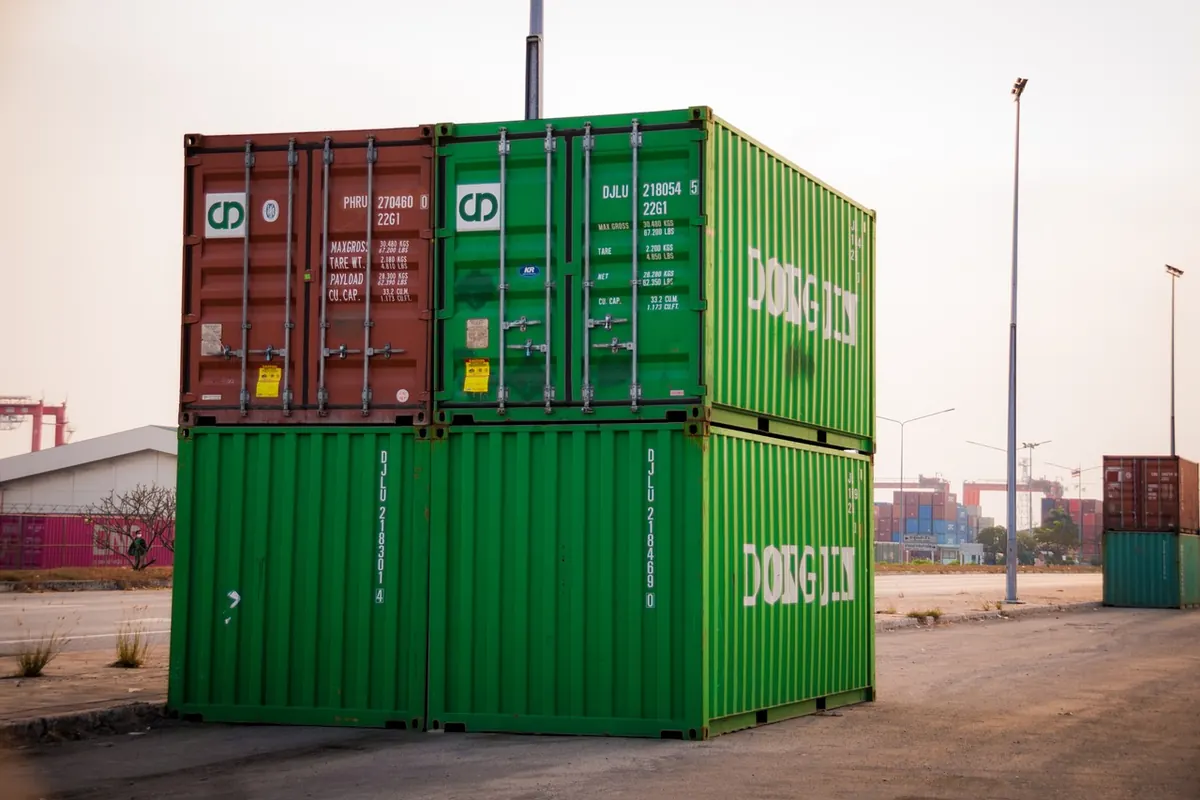
Terminals manage land, and land runs out before cranes do. Rising stack heights, reefer plugs all in use, empties moved into prime import rows — that is a terminal using storage as a buffer because boxes are arriving faster than they leave.
Track import dwell and export dwell separately. Import dwell rising while export receiving windows tighten is a classic squeeze: the terminal is trying to protect outbound flow while inbound boxes pile up. If your own containers are sitting several days past their usual pickup, that is congestion you can measure yourself, without asking anyone.
5. Rail, barge, and chassis capacity tighten in parallel
Not every backup arrives on a ship. When inland rail dwell lengthens or on-dock railcars go short, boxes stay on the terminal floor and consume the same space a vessel discharge needs. Barge and feeder services are the same story in reverse — if their frequency drops or their windows shrink, road and rail absorb the difference, and both are already busy.
Watch chassis pools as a separate line item. Chassis availability is a decent proxy for whether the whole inland loop is turning over or grinding.
6. Schedule reliability wobbles before it collapses
Carriers rarely announce congestion. They work around it. The early tells are omissions of a port call, extra loaders inserted to sweep up backed-up cargo, blank sailings, and bookings confirmed "subject to space." Rollovers — your box bumped to the next vessel — are the customer-facing version of the same problem.
Also keep an eye on the operational inputs people forget to check: pilot and tug availability, dredging or lock maintenance windows, and labor availability around holidays. Any of these can create a queue that looks exactly like demand-driven congestion but clears faster.
The eight warning signs, in one place
- Anchorage count rising over a full week, with laden boxships in the queue.
- Anchorage boundaries extended further offshore.
- Berth waits moving from hours to a day or more, across multiple carriers.
- Vessels bunching into the same berth windows.
- Gate turn times drifting up and appointments becoming hard to book.
- Import dwell lengthening while empties and reefers take prime yard space.
- Rail dwell, chassis, or barge capacity tightening at the same time.
- Omitted calls, blank sailings, and rising rollovers on confirmed bookings.
What to do when three or more light up
Move early, and move on specifics. Reconfirm berth windows with your agent rather than assuming the pro forma holds. Pull your own gate timestamps and compare them to last quarter. Give drayage partners a heads-up on likely appointment scarcity so they can plan driver hours, and consider whether off-peak gate hours are worth the premium at your terminal. If you run inventory, a slightly higher safety stock for the affected lanes is cheaper than an emergency airfreight decision later.
On the commercial side, read your contracts before you rely on them. Demurrage, detention, and free-time terms vary widely, and the notice periods for force majeure or schedule-change claims are not uniform. A short conversation with your carrier or counsel is worth having before a dispute, not after.
Finally, keep the baseline current. Congestion is cyclical, and the numbers that look alarming this quarter become the new normal by the next one. A checklist you update monthly will beat any single snapshot of a harbor on a bad Tuesday.
Photo: Rattakarn_ / Pixabay