
Seasonal Guide: Winterizing Your Boat in a Working Harbor
Cold snaps, ice, and thinner marina services don't spare working harbors. A practical seasonal checklist for protecting engines, plumbing, and lines before the first hard freeze.
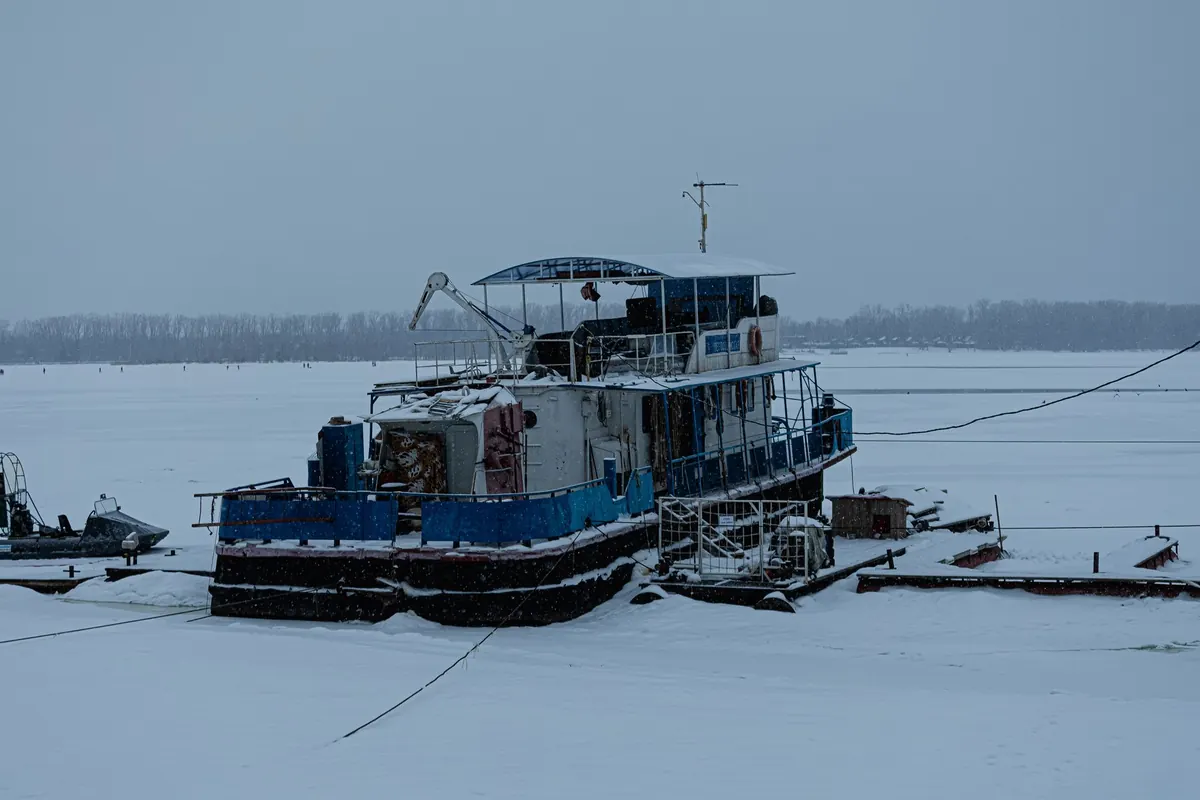
The first hard frost rarely announces itself. You notice it when the dock tap is wrapped in insulation, the deck washdown sputters and dies, and the float wears a skin of ice along the pilings. In a working harbor, winter doesn't mean quiet. The draggers still leave before dawn, the ferry keeps its schedule, and the tide keeps pushing whatever ice it has made against anything tied up. That changes how you put a boat away. You are not laying up in a sleepy yard; you are storing a boat in a place that stays busy, cold, and occasionally rough.
Water Is What Breaks Boats
Almost every expensive spring repair traces back to water left somewhere it couldn't expand. Freezing water splits things quietly, and you find out in April.
Work through two systems separately. The raw-water side pulls from the harbor: seacock, strainer, raw-water pump, heat exchanger, exhaust elbow, muffler, and the small lines feeding air conditioners, washdowns, and generators. The freshwater side holds what you brought aboard: tanks, hoses, faucets, the water heater, head, shower sump, and any icemaker or filtered tap.
Drain first, then protect. Blow the lines with low-pressure air — a regulated compressor, not a shop nozzle wide open — and open every faucet and valve in turn so air can push water out. Bypass the water heater and drain it. Then add antifreeze wherever a line can trap water.
Use non-toxic propylene glycol rated for potable water systems for anything a person might drink from or wash in. Automotive antifreeze is toxic, and one cracked fitting that sends it into a freshwater tank becomes a disposal problem and a health hazard. Read the jug; the rating matters more than the color.
Easy to forget
- Anchor and deck washdown pumps, which hold water in the pump body and hose.
- Transom showers, cockpit sinks, and freshwater hose reels.
- Bilge pump discharge lines if they loop below the waterline.
- Holding tank and macerator lines — pump out, rinse, then treat.
- Outboard telltales and portable tanks left in an unheated locker.
Engine, Fuel, and Batteries
Change the oil and filters before layup, not after. Used oil carries acids and moisture through the winter, sitting in contact with the same surfaces all season.
Run the engine to temperature one last time, then fog it according to the manual — diesels get fogging oil through the intake while the engine turns over. Close seacocks and tag them so nobody opens one by habit in March. Pull the impeller or note its condition, loosen belts, and wipe the block with an oiled rag to slow surface rust.
Fill the fuel tanks. A full diesel tank leaves less room for moist air to condense on the walls; a full gasoline tank does too, with stabilizer added and run through the system. Add biocide to diesel, change filters now rather than in spring, and keep water out of the Racor bowl.
Batteries come off the boat if you can manage it. Charge them fully, store them above freezing, and top up wet cells. If they stay aboard, disconnect the negative terminals and label the cables.
Mooring for a Harbor That Doesn't Stop
Winter storms in a working harbor are a different problem than storms in a quiet marina. Commercial traffic keeps moving, wakes keep arriving, and the tide can run hard enough to load your lines from odd angles. Where ice forms, it grinds against hulls and line.
Double up the lines you trust most, and add chafe gear anywhere line passes through a chock or over a rub rail. In a surge, allow more scope — a boat that can't rise with the water will hang from its cleats or dip a rail.
- Strip sails, bimini, dodgers, and anything else that catches wind. Store canvas below or ashore.
- Clear scuppers, cockpit drains, and deck boxes. Rain and snowmelt, not the harbor, sink most boats at the dock.
- Remove or slack fenders where they would chafe paint for four months.
- If ice is a real risk, look at bubblers or ice eaters — and think hard about what happens when the power fails. Hauling out is often the cheaper answer.
Ventilation Beats Chemical Drying
A cover should shed water and still breathe. Frame it so the top slopes, don't seal the bottom, and leave vents fore and aft. Trapped damp air grows mildew in cushions, headliners, and electrical panels.
Desiccant buckets help, but only in a boat that already has some airflow. Prop lockers and drawers open, cushions on edge, and nothing pressed against the hull where condensation runs.
Planning Around Thinner Marina Services
This is the part that catches people out. Dock water is often shut off at the first hard freeze, pumpout stations close, and the fuel dock cuts its hours. Haulout slots fill weeks ahead. If you need a travel lift, book early and confirm it in writing.
Get your winter contract settled: shore power, breaker access, and who to call when something goes wrong at two in the morning. Give the harbor office a phone number, and ask a neighbor or the dockmaster to walk your lines after storms. If you leave the area for the season, that check is not optional.
Read your insurance policy before layup. Many policies list winter requirements — where the boat is kept, how it is secured, who checks it — and those conditions matter if you ever file a claim.
A Weekend Order That Works
Start with the systems that hold water, because they are the ones that crack. Then fuel and engine, then topside and lines, then ventilation and paperwork.
One Saturday is usually enough for a small boat if you have antifreeze, a compressor, and a plan. Larger boats take two, especially with batteries to pull, a water heater to drain, or a haulout to wait on. Do the freshwater side last so you can still wash your hands.
Write down what you did. A short list taped inside a locker — which seacocks are closed, where the bypass valves sit, what went into each tank — saves an hour of guessing when the weather turns kind again.
Photo: Daniil Kondrashin / Pexels