
Inside the iGaming World: Slots, Poker and Smart Betting
The first time you sit down at a real poker table, the thing that surprises you isn't the cards. It's the silence. Six players, a dealer, and a pot that's…

The first time you sit down at a real poker table, the thing that surprises you isn't the cards. It's the silence. Six players, a dealer, and a pot that's quietly grown to more than your monthly rent — and nobody says a word. That tension is what pulls people into iGaming in the first place. Not the flashing lights of a slot machine, not the odds on a football match. It's the feeling that a decision you make in the next four seconds actually matters.
If you're new to online casinos, sports betting or poker, the landscape can feel overwhelming. There are thousands of operators, hundreds of game providers, and enough bonus terms to make a lawyer's eyes water. This guide cuts through the noise. No hype, no affiliate fluff — just the things experienced players wish someone had told them earlier. Readers looking for specifics may like สล็อต.
The Three Pillars of iGaming (and Why They Feel So Different)
Most people lump casino, betting and poker together under one banner. That's a mistake. They attract different personalities and reward different skills.
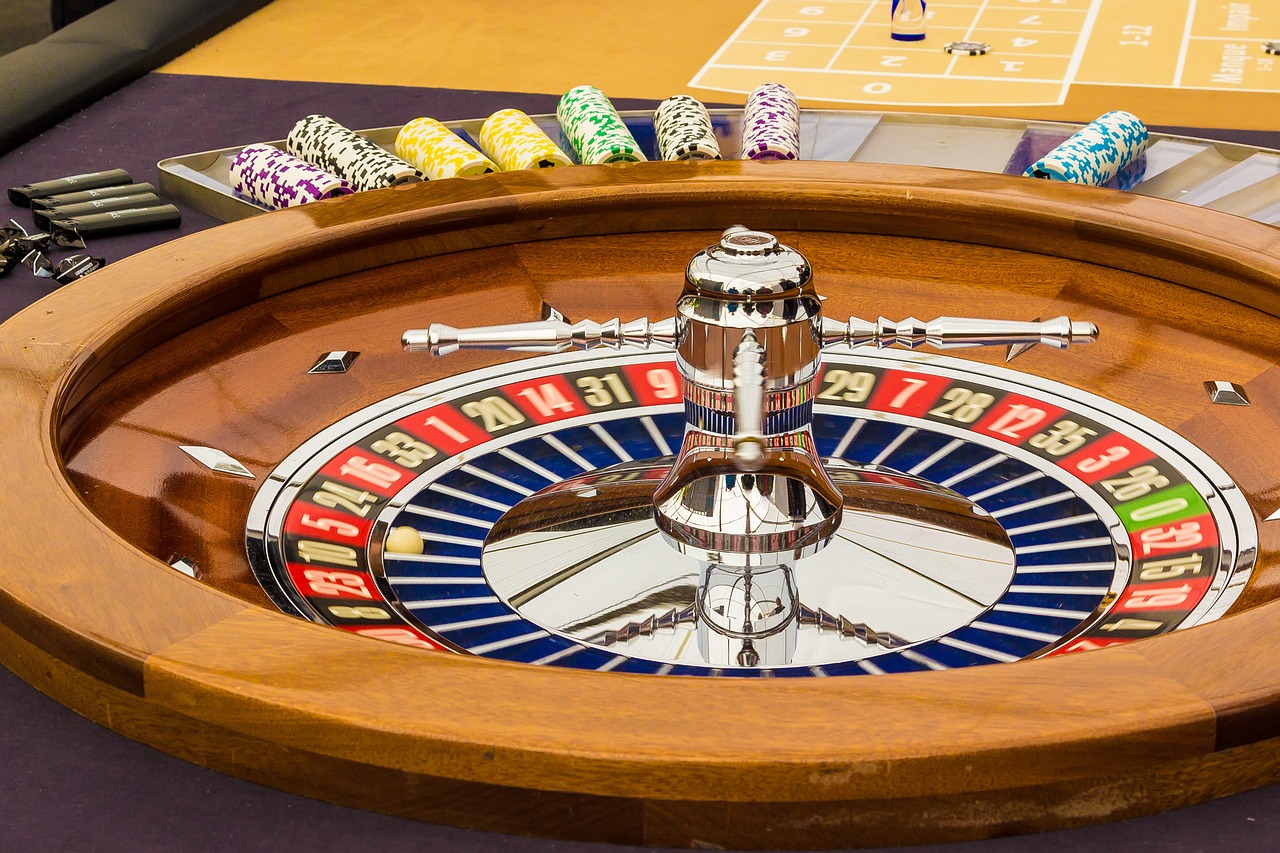
- Slots and casino games are pure probability. You spin, the RNG decides, and the house edge does its slow work. There's no strategy that changes the math — only the volatility and the RTP you choose to play.
- Sports betting sits in the middle. You can't control the outcome of a match, but you can control which bets you place, at what price, and with how much stake. Information and discipline matter more than luck over the long run.
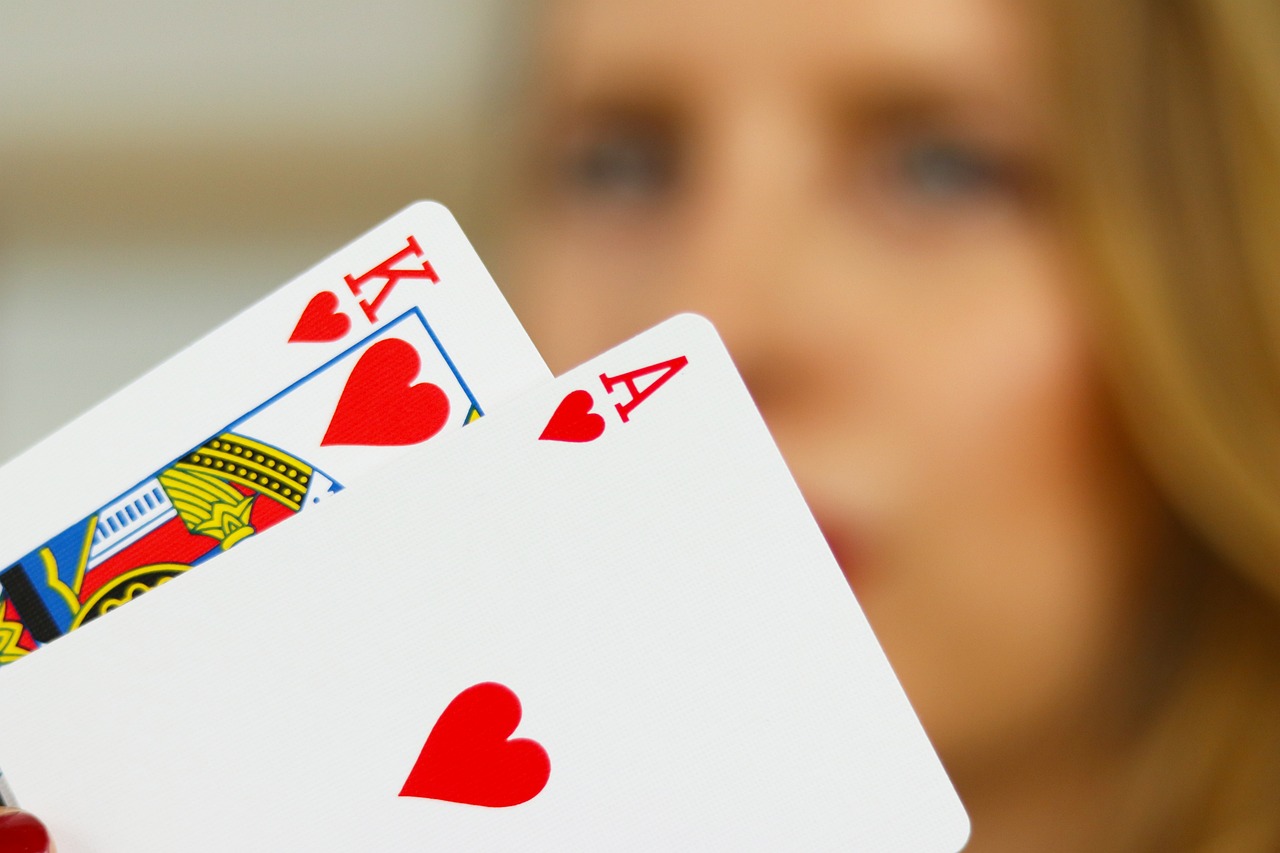
- Poker is the only format where you play against other humans, not the house. The rake is the price of admission, and your edge comes from reading opponents and managing your emotions.
Understanding which of these three you're actually drawn to is the single most useful thing a new player can do. Someone who loves poker strategy will be bored by slots. Someone who enjoys the slow grind of betting markets will lose their shirt at a fast-fold poker table. Know thyself.
Reading a Slot Machine Like a Pro
Walk into any online casino and you'll see hundreds of titles. Most are noise. A few are genuinely worth your time, and the difference comes down to three numbers you should always check before you spin.
- RTP (Return to Player). Anything under 95% is mediocre. Modern classics sit at 96–96.5%. Some high-volatility titles dip to 94%, and that's a real cost over thousands of spins.
- Volatility. Low volatility means frequent small wins. High volatility means long dry spells followed by big hits. Match this to your bankroll, not your mood.
- Max win and hit frequency. A game advertising a 50,000x max win with a 1-in-5-million hit rate might as well be a lottery ticket. Know what you're buying.
One more thing: bonus buy features. They look tempting, but the RTP on a bought bonus is often slightly lower than the base game. If you're on a tight budget, skip them. If you're chasing variance, they can be fun — but treat them as entertainment, not an investment.
Sports Betting: Where Discipline Beats Prediction
Everyone thinks betting is about picking winners. It isn't. It's about finding prices that are wrong. A 60% win rate at even odds is profitable. A 55% win rate at short prices is a slow bleed. The math doesn't care how confident you feel.
Here's what separates the small percentage of bettors who don't lose over time from everyone else:
- They track every bet — stake, odds, result, and the reasoning behind it.
- They specialise. One league, one market, one sport. Generalists lose to specialists.
- They shop for the best price. Half a point on a spread or 0.05 on a decimal odd matters enormously over 500 bets.
- They avoid parlays and accas unless the pricing is genuinely generous — which it usually isn't.
- They set a unit size and never break it. 1–2% of bankroll per bet is the standard for a reason.
Live betting is where most recreational players get hurt. The speed, the swinging odds, the adrenaline — it encourages impulsive decisions. If you want to bet in-play, pre-commit to a strategy before kickoff, not during it.
Poker: The Game Whose Real Opponent Is You
Poker is the most intellectually honest form of gambling. Every decision has a clear cost or benefit, and the results, over enough hands, reflect your skill. That's also what makes it brutal. You can't blame the dealer, the RNG or a bad beat for long. The leaks are yours.
The three biggest mistakes new poker players make:
- Playing too many hands. Tight is right when you're learning. Fold more. Watch more.
- Ignoring position. The button is worth more than most hands. Play accordingly.
- Chasing losses. Moving up in stakes to recover a bad session is how bankrolls die.
If you want a single piece of advice that's worth more than any course: study one format. Cash games and tournaments are almost different games. Pick one and commit for six months before you judge your results.
Bonuses, Wagering and the Fine Print Nobody Reads
Welcome bonuses look like free money. They aren't. Every offer has wagering requirements, game weightings and a maximum cashout, and the combination determines whether the bonus is worth claiming at all.
- A 100% match up to $200 with 35x wagering on the bonus is standard. Do the math before you deposit.
- Slots usually contribute 100% to wagering; table games often contribute 10% or less. Read the terms.
- Sticky bonuses can't be withdrawn — only winnings from them. Non-sticky bonuses are almost always better.
- Free spins often come with a max cashout cap of $50–$100. Fine for fun, useless for profit.
Licensing matters too. A casino regulated by the UK Gambling Commission, MGA or a reputable state regulator offers real dispute resolution if something goes wrong. An unlicensed site with a Curacao paper licence? You're on your own.
The Bottom Line
iGaming is entertainment, not income. The moment you start treating it as a side hustle, the house edge stops being a footnote and starts being the whole story. The players who enjoy this world long-term are the ones who set limits, understand the games they play, and never bet money they'd miss. Learn the math, respect the variance, and treat every session as a cost you've already decided to pay. Do that, and you'll get more out of a Friday night at the tables than most people get out of a year of chasing jackpots.