
The Real Math Behind Modern Slots, Poker, and Sports Betting
Every gambler eventually asks the same question: is there actually a way to win, or is the whole thing rigged? The honest answer is messier than either camp…
Every gambler eventually asks the same question: is there actually a way to win, or is the whole thing rigged? The honest answer is messier than either camp wants to admit. Casinos are not charities, but they are also not magic. They operate on math that's been refined for centuries, and once you understand that math, the experience changes completely. You stop chasing ghosts and start making decisions based on probabilities, variance, and the only variable you truly control: how much you're willing to risk.
Let's break down what's really happening inside the machines, the poker rooms, and the sportsbooks, and why some players consistently last longer than others.
How Slots Actually Take Your Money
If you've ever stood in front of a slot machine wondering why it feels so streaky, you're not imagining things. Modern video slots are not mechanical reels with a fixed number of physical stops. They're random number generators firing thousands of outcomes per second. The reels you see on screen are just animation triggered after the RNG has already picked a result.
The number that matters is RTP, or return to player. A slot with 96% RTP returns, on average, $96 for every $100 wagered over millions of spins. That sounds close to fair until you realize two things. First, the 4% house edge compounds brutally on high-volume play. Second, RTP is calculated over an infinite sample, not your Tuesday night session. A slot can pay 96% for a year and still leave you staring at a barren screen for 400 straight spins. You can read more about it on dana slot.
Here's a concrete comparison worth remembering:
- Classic 3-reel slots: often 94–96% RTP with low volatility and frequent small wins
- Megaways-style games: typically 95–96.5% RTP but extreme volatility — long dry spells punctuated by massive hits
- Jackpot progressives: often 88–92% base RTP, with the difference feeding the growing prize pool
- Bonus buy features: usually priced at a slight premium over the natural trigger rate
The practical takeaway isn't "find the highest RTP slot and you'll win." It's that volatility matters more than RTP for how your session actually feels. A 96% RTP slot with extreme volatility will drain a $200 bankroll far faster than a 94% RTP slot with low volatility — even though the math says the opposite over 10 million spins.
Poker Is the Only Game You Can Actually Beat
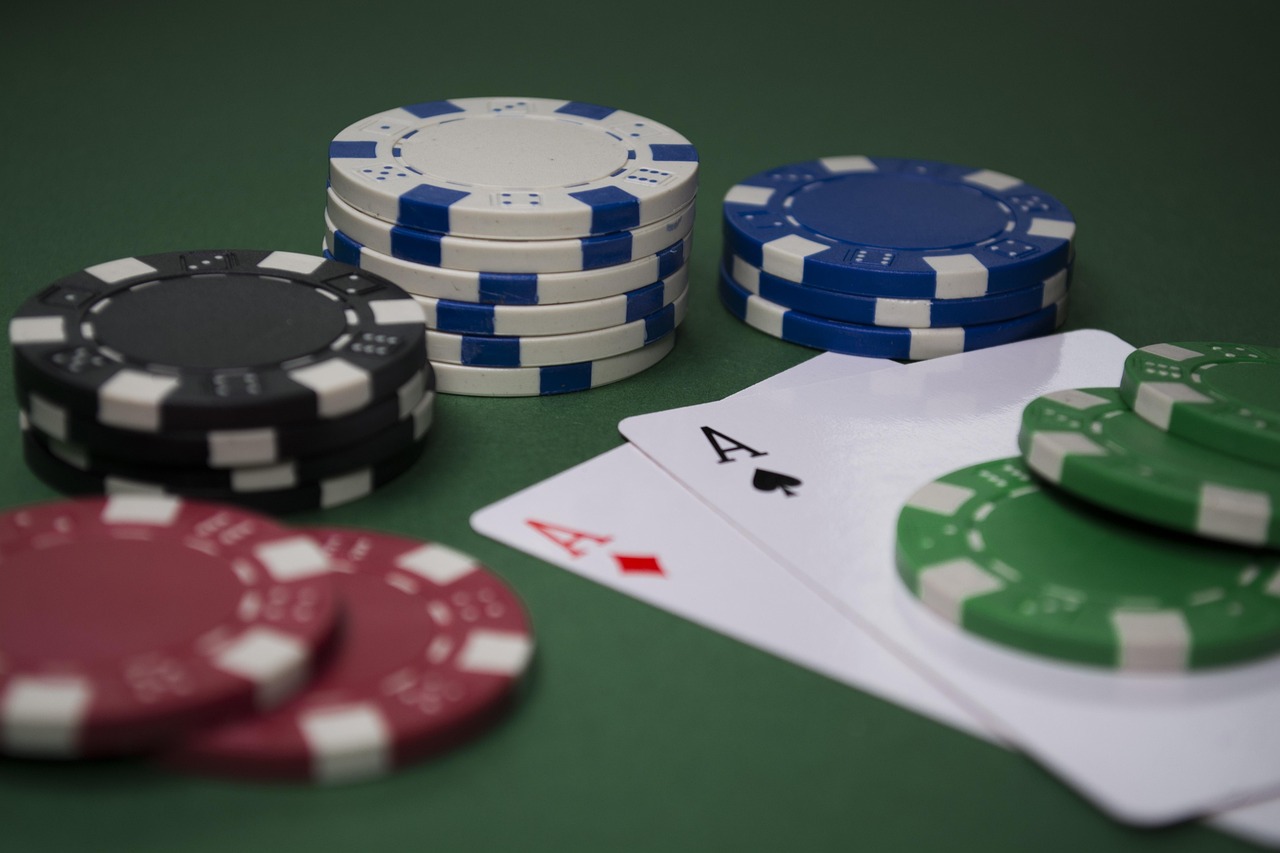
Here's the uncomfortable truth most casino games don't want to advertise: poker is the one game in the building where skill can overcome the house edge, because you're not playing against the house. You're playing against other people, and the casino just takes a rake.
That rake is the entire reason poker is beatable. In a $1/$2 no-limit hold'em cash game, a typical rake might be 10% up to $5 per pot. If the average pot is $40, the house is extracting roughly $4 — about 10% of the money changing hands. To beat that, you need to be meaningfully better than the average player at the table. Which, fortunately, most players are not.
Three principles separate winning players from losing ones:
- Position is leverage. Acting last gives you information, and information is worth more than any specific hand. A mediocre hand in late position beats a strong hand in early position more often than beginners believe.
- Bankroll management is not optional. Serious cash game players keep 20–40 buy-ins for the stakes they play. That's $4,000–$8,000 for a $1/$2 game. Playing over your bankroll turns normal variance into ruin.
- Exploit, don't balance. Balanced play is for high-stakes games against strong opponents. At low stakes, you should exploit obvious tendencies — value bet bigger against calling stations, bluff less against players who never fold.
Tournament poker is a different beast. The variance is enormous, and even excellent players go dozens of tournaments without a significant cash. The upside is that a single deep run can return 50 buy-ins. Most successful tournament players treat them as lottery tickets with a skill overlay — they buy in for amounts they can lose without flinching.
Sports Betting: Where the Edge Lives
Sports betting feels the most skill-based of all gambling formats because it involves research, analysis, and opinion. In practice, roughly 95% of bettors lose money long-term. The folks who win are doing something specific: they're finding pricing errors.
Bookmakers set lines to balance action and protect their margin. The vig (typically 4–5% on a standard -110 line) is their fee. To profit, you need to win more than 52.4% of your -110 bets, which sounds reasonable until you try it over 500 wagers.
Where the edges actually exist:
- Line shopping: The difference between -110 and -105 at another book is enormous over hundreds of bets. Serious bettors hold accounts at four or five books and always take the best number.
- Props and niche markets: Player props, second-half lines, and obscure leagues are priced less efficiently than main markets. There's also lower limits, so sharp bettors spread action across many books.
- Live betting: In-play odds react to momentum, and markets occasionally lag behind reality. A team going down early in a basketball game doesn't always deserve the price shift.
- Closing line value: The single best predictor of long-term profitability. If you consistently beat the closing line, you're likely a winning bettor even if your short-term results look ugly.
The vig also explains why bonuses matter so much. A 100% deposit match up to $500 with a 10x rollover requirement gives you real ammunition — but only if you understand that rollover means wagering $5,000 before withdrawing. Read the terms before you celebrate.
Bankroll, Discipline, and the Long Game
Every gambling game is designed around one psychological weakness: the belief that the next spin, hand, or bet will reverse the current run. Casinos don't need to cheat. They just need you to keep playing while the math grinds you down.
The players who survive are almost never the ones with the best strategy. They're the ones who decide in advance how much they're willing to lose and treat that number as a hard stop. They separate gambling money from real money. They don't chase losses after a bad session, because they know the house edge doesn't care about their feelings.
Do the arithmetic before you sit down. If you're playing slots at $2 per spin and spinning 600 times an hour, you're cycling $1,200 an hour through a machine with a 4% edge. That's $48 an hour in expected loss — regardless of whether you hit a bonus. If that number bothers you, lower your bet size or pick a slower game.
None of this means gambling can't be entertaining. It absolutely can. But treating it as a form of entertainment with a known hourly cost — rather than a wealth-building strategy — is the difference between a fun night out and a slow financial bleed.
The Bottom Line
Understanding variance, RTP, rake, and vig won't turn you into a professional gambler overnight. What it will do is strip away the mythology that fuels most bad decisions. The house doesn't need to be lucky. It just needs to keep you playing, and it has centuries of math on its side.
The edge, in every format, belongs to the player who knows exactly what they're up against and manages their money accordingly. Slots, poker, and sports betting are not mysteries. They're systems with known rules and known costs. Once you know them, you can stop gambling blindly and start making the only decisions that actually matter.